1. Giới thiệu
Sản xuất bồi đắp kim loại, còn được gọi là in 3D kim loại, đang trở thành một công nghệ sản xuất ngày càng quan trọng để sản xuất các linh kiện kim loại phức tạp và hiệu suất cao. Khi công nghệ chuyển từ nguyên mẫu sang sản xuất quy mô công nghiệp, các nhà sản xuất đang phải đối mặt với những thách thức mới trong việc quản lý bột kim loại trong suốt quá trình sản xuất.
Không giống như các vật liệu sản xuất truyền thống, bột kim loại tham gia vào nhiều giai đoạn sản xuất bồi đắp, bao gồm nạp bột, thu hồi, sàng và tái chế. Do đó, quản lý bột hiệu quả đã trở thành một yếu tố quan trọng trong việc duy trì hiệu quả sản xuất, sử dụng nguyên liệu và an toàn vận hành.
Đối với các nhà sản xuất làm việc với bột kim loại mịn và dễ cháy, chẳng hạn như hợp kim nhôm, titan và magie, quy trình xử lý thích hợp là rất cần thiết để giảm rủi ro liên quan đến ô nhiễm bột, lãng phí vật liệu và nguy cơ nổ tiềm ẩn.
Phương pháp quản lý bột đáng tin cậy đòi hỏi nhiều hơn thiết bị loại bỏ bụi riêng lẻ. Nó bao gồm các giải pháp phối hợp bao gồm chuyển bột, thu hồi, làm sạch, sàng và chống cháy nổ trong toàn bộ vòng đời của bột.
Bài đăng này tìm hiểu những thách thức chính về quản lý bột trong sản xuất bồi đắp kim loại và giới thiệu các phương pháp tiếp cận thực tế có thể giúp các nhà sản xuất đạt được quy trình sản xuất an toàn hơn, hiệu quả hơn và đáng tin cậy hơn.
2. Các giai đoạn xử lý bột quan trọng trong sản xuất phụ gia kim loại
Sản xuất bồi đắp kim loại bao gồm một loạt các hoạt động liên quan đến bột trước, trong và sau quá trình in. Không giống như các phương pháp sản xuất truyền thống, bột kim loại được vận chuyển, xử lý và tái sử dụng liên tục trong suốt chu trình sản xuất, khiến mỗi giai đoạn xử lý đều quan trọng để duy trì hoạt động ổn định.
Giai đoạn đầu tiên là nạp bột, trong đó bột kim loại được chuyển vào thiết bị sản xuất bồi đắp. Trong quá trình này, nhà sản xuất cần duy trì các điều kiện vận chuyển bột được kiểm soát để tránh ô nhiễm và đảm bảo cung cấp nguyên liệu ổn định.
Sau khi in, bột còn dư bên trong buồng in và bột chưa sử dụng cần được thu gom và xử lý. Thu hồi bột đóng vai trò quan trọng trong việc giảm lãng phí nguyên liệu và chuẩn bị bột thu hồi để xử lý tiếp.
Sàng bột là một bước thiết yếu khác trong quy trình quản lý bột. Thông qua việc phân tách và sàng lọc thích hợp, nhà sản xuất có thể loại bỏ các hạt không mong muốn và duy trì chất lượng bột để có thể tái sử dụng. Đối với các thành phần được in phức tạp, cũng cần phải loại bỏ bột sau xử lý. Bột còn sót lại bị mắc kẹt bên trong các cấu trúc bên trong có thể khó loại bỏ bằng tay, do đó cần có các phương pháp làm sạch hiệu quả hơn.
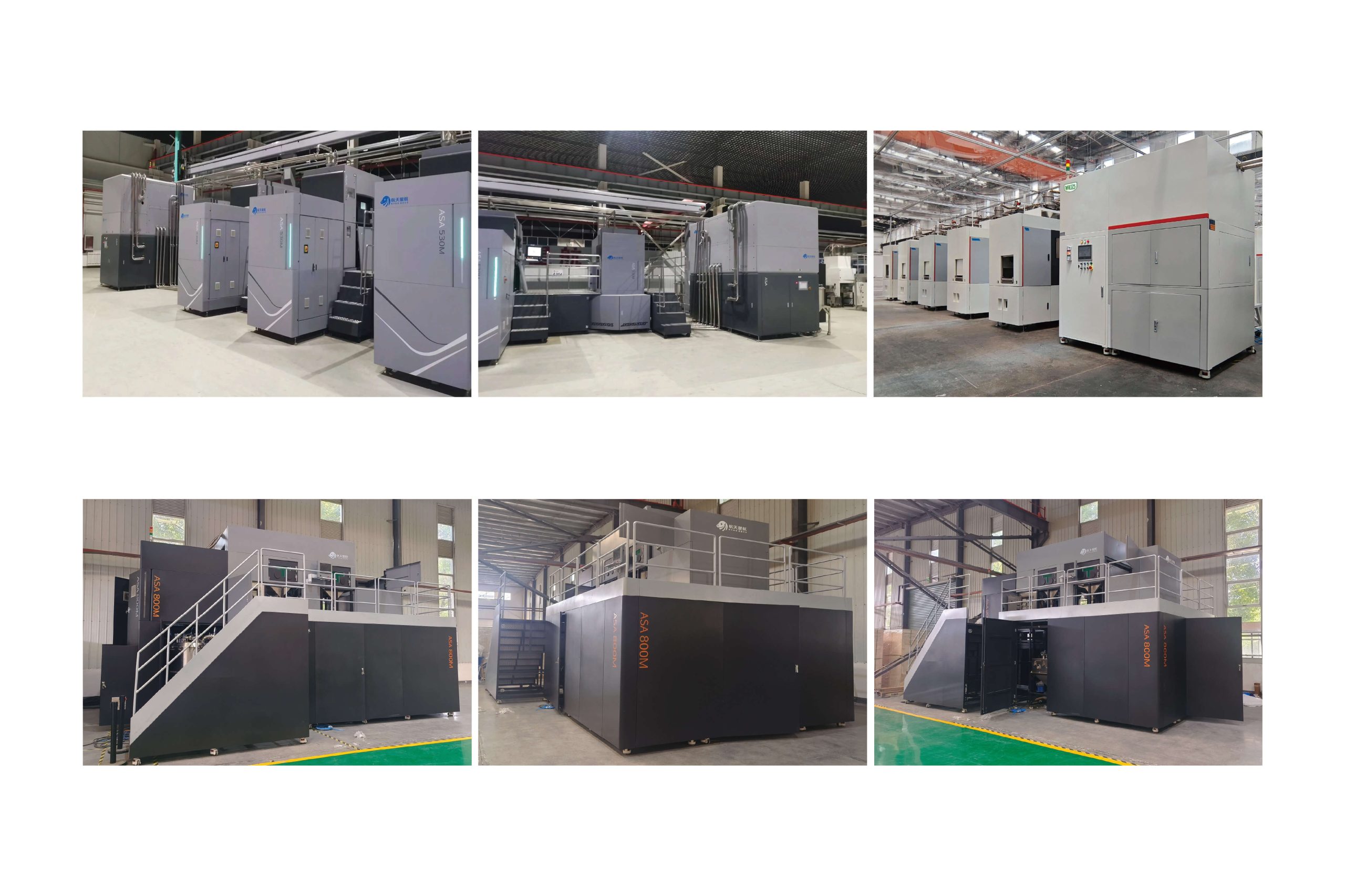
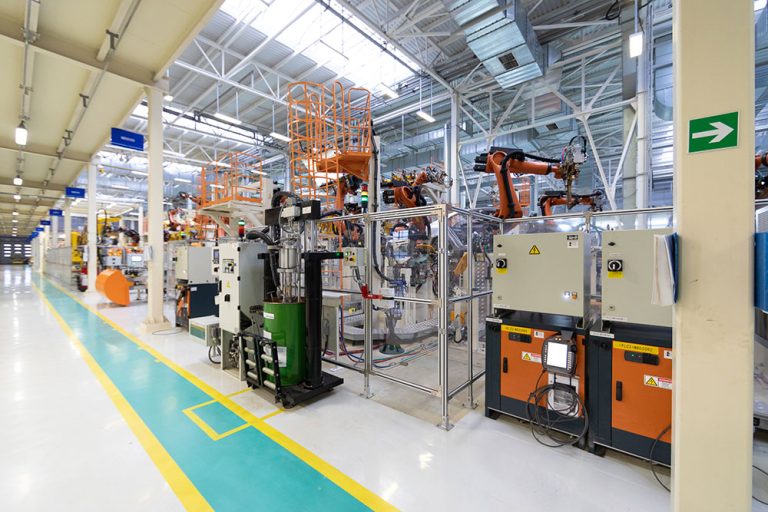
Khi quy mô sản xuất tăng lên, các nhà sản xuất cũng đang hướng tới các quy trình xử lý bột tự động kết nối các hoạt động tải, thu hồi, sàng, làm sạch và lưu trữ thành một quy trình làm việc phối hợp hơn.
3. Giải pháp thiết bị xử lý bột cho sản xuất phụ gia kim loại
3.1 Nạp bột tự động bằng máy hút chân không
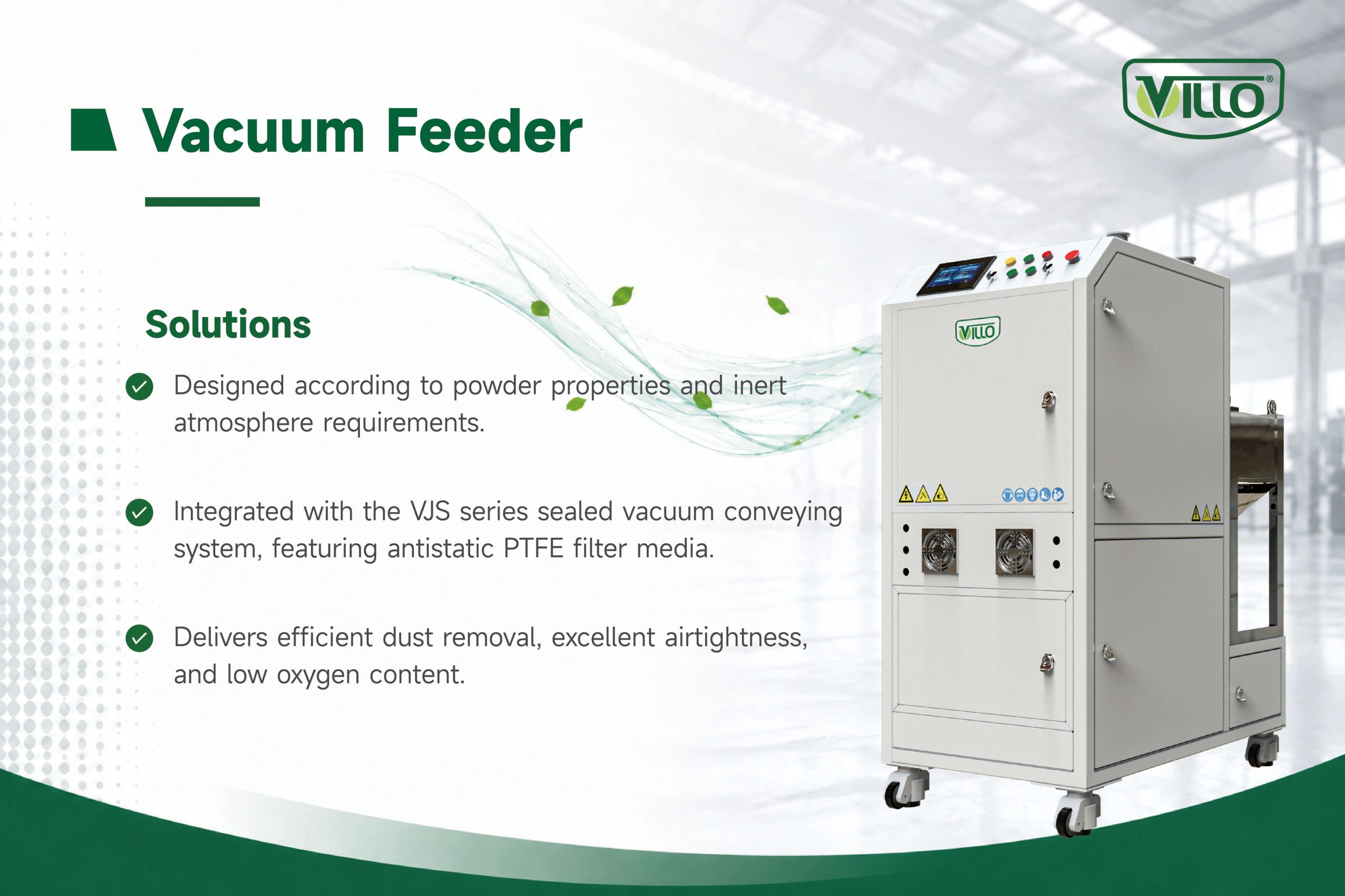
Trong sản xuất bồi đắp kim loại, việc chuyển bột hiệu quả là điều cần thiết để duy trì quy trình in ổn định. Phương pháp cấp liệu có kiểm soát giúp đảm bảo cung cấp bột ổn định đồng thời giảm sự can thiệp thủ công trong quá trình nạp nguyên liệu.
Hệ thống cấp liệu chân không cung cấp một phương pháp kín để chuyển bột kim loại vào thiết bị sản xuất bồi đắp. So với các phương pháp cho ăn thủ công truyền thống, chuyển bột tự động giúp giảm rủi ro ô nhiễm và cải thiện tính nhất quán của hoạt động xử lý bột.
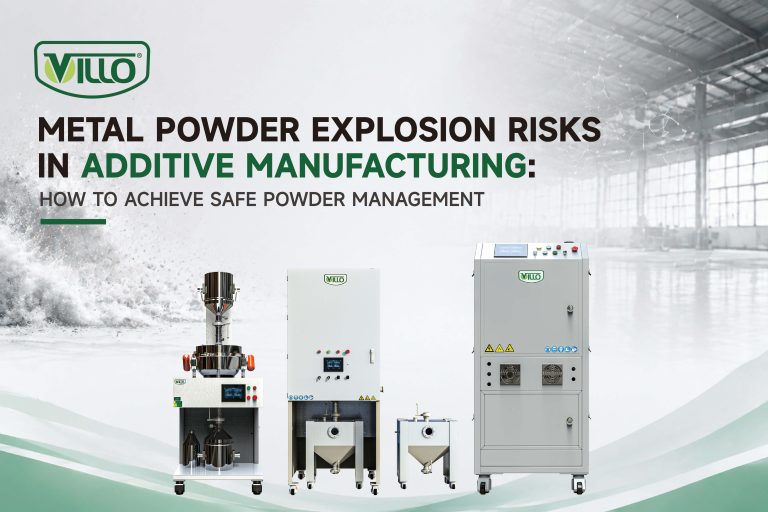
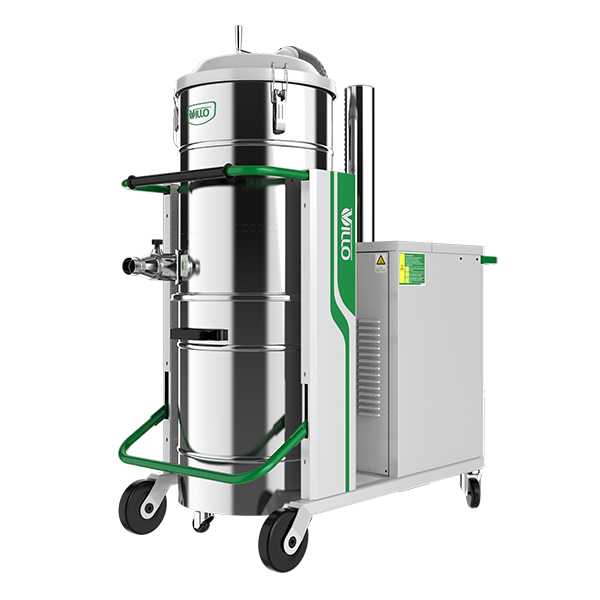
Máy hút chân không Villo được thiết kế cho các ứng dụng nạp bột kim loại tự động và phù hợp với các vật liệu bao gồm bột thép không gỉ, hợp kim nhôm, hợp kim titan, hợp kim niken và bột kim loại khác được sử dụng trong sản xuất bồi đắp.
Hệ thống được thiết kế theo các đặc tính bột khác nhau và yêu cầu về môi trường trơ. Được tích hợp với hệ thống vận chuyển chân không kín và vật liệu lọc PTFE chống tĩnh điện, nó mang lại khả năng truyền bột hiệu quả, độ kín khí tốt và hoạt động ổn định cho môi trường sản xuất bồi đắp công nghiệp.
3.2 Lưu thông khí và kiểm soát bụi trong quá trình in
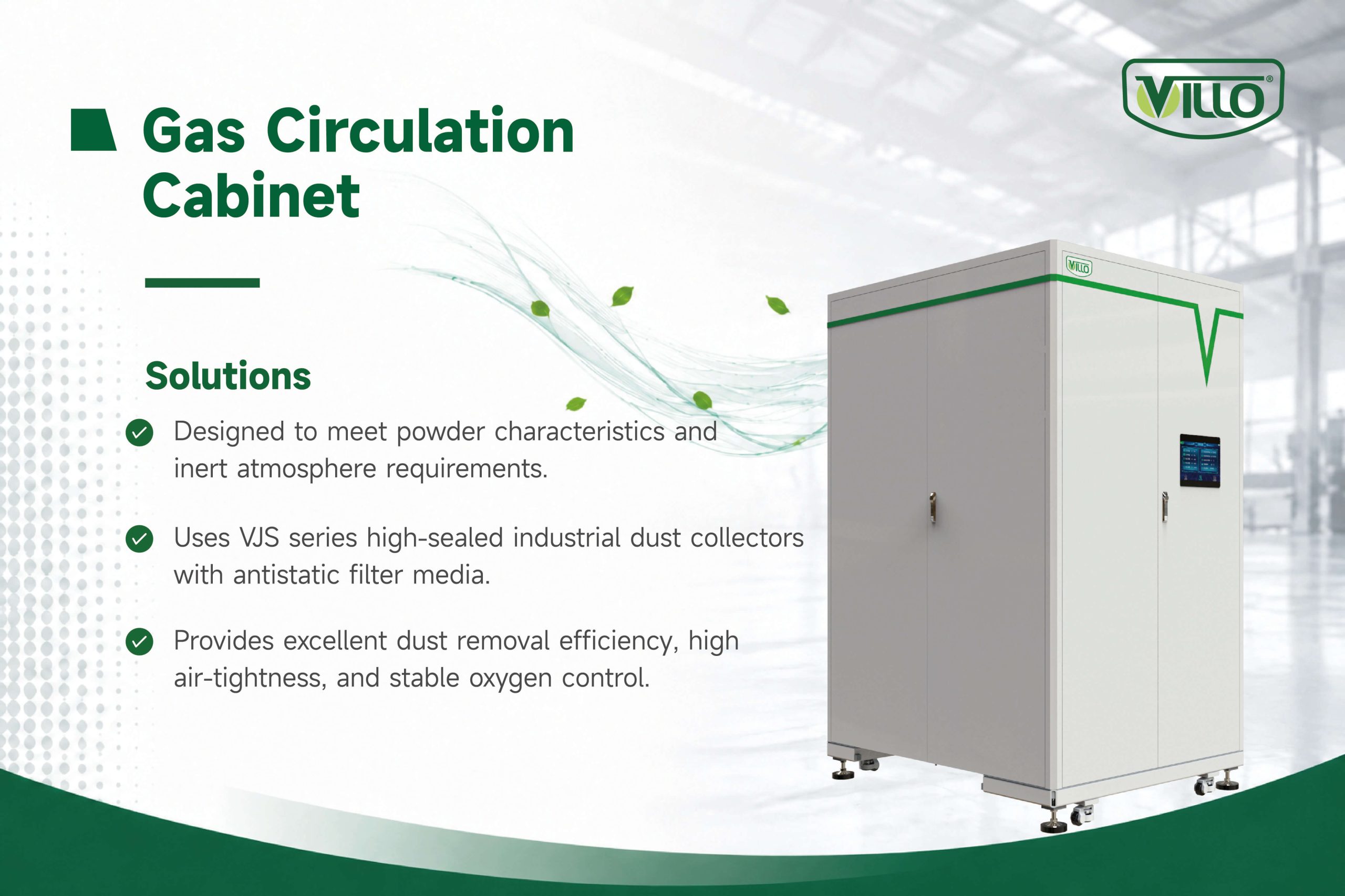
Trong quá trình in 3D kim loại, có thể tạo ra các hạt bột mịn. Nếu những hạt này không được loại bỏ và kiểm soát một cách hiệu quả, chúng có thể ảnh hưởng đến chất lượng sản phẩm và tạo thêm thách thức cho việc xử lý bột kim loại và an toàn sản xuất.
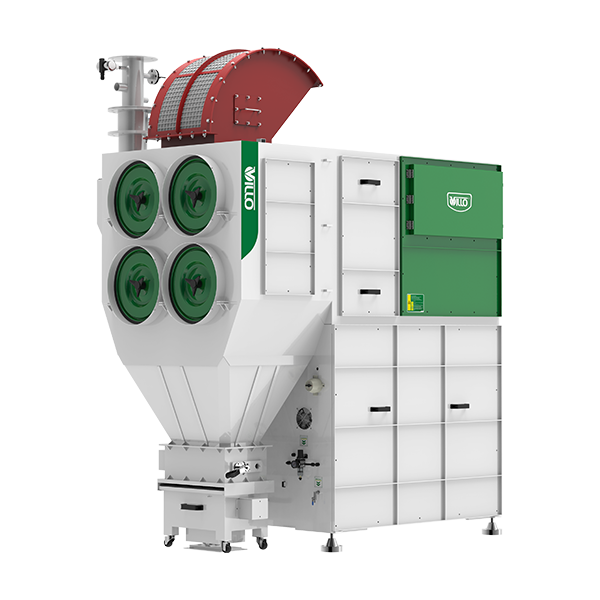
Tủ tuần hoàn khí được thiết kế để đáp ứng các đặc tính bột khác nhau và yêu cầu về môi trường trơ trong sản xuất bồi đắp kim loại. Nó sử dụng máy hút bụi công nghiệp kín cao dòng VJS với vật liệu lọc chống tĩnh điện để hỗ trợ loại bỏ bụi hiệu quả, độ kín khí đáng tin cậy và kiểm soát oxy ổn định.
Bằng cách giúp duy trì môi trường xử lý được kiểm soát tốt hơn, hệ thống hỗ trợ quản lý bột kim loại an toàn hơn và ổn định hơn trong các hoạt động sản xuất bồi đắp.
Thiết bị này phù hợp cho các ứng dụng liên quan đến hợp kim niken nhiệt độ cao, thép không gỉ, hợp kim nhôm, hợp kim titan và bột kim loại nguyên chất.
3.3 Thu gom bột dư bằng máy hút bụi chống cháy nổ loại ướt
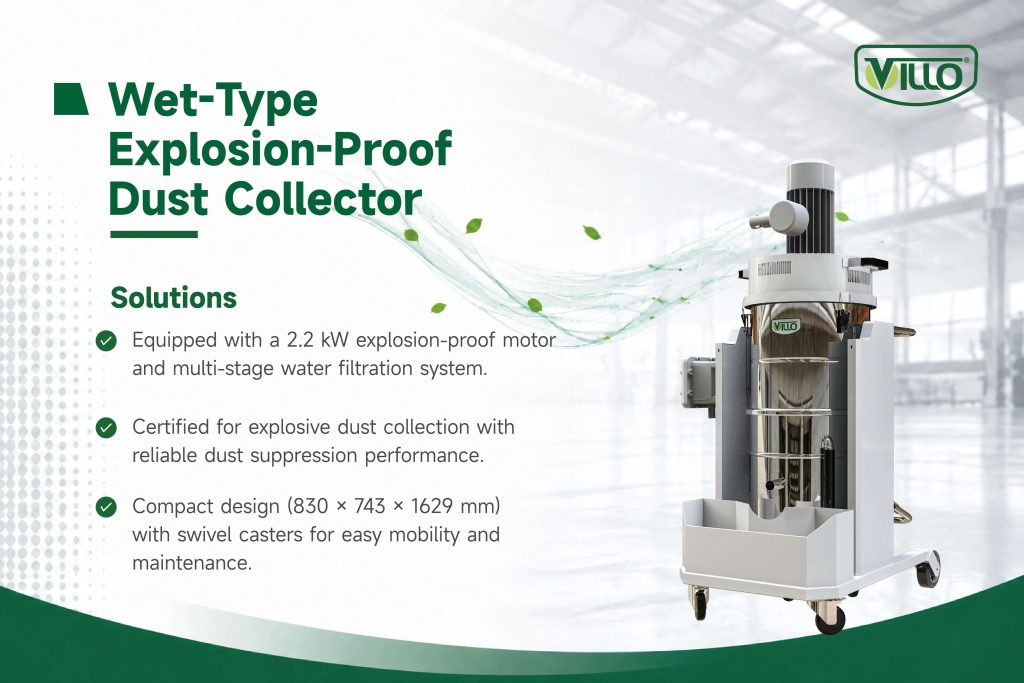
Sau khi in 3D kim loại, bột còn sót lại bên trong buồng in cần được loại bỏ hiệu quả để duy trì độ sạch của thiết bị và hỗ trợ hoạt động sản xuất an toàn.
Công nghệ thu gom bụi chống cháy nổ kiểu ướt được thiết kế cho các ứng dụng liên quan đến bột kim loại dễ cháy. Bằng cách sử dụng các phương pháp khử bụi dựa trên nước, loại thiết bị này cung cấp phương pháp phù hợp để thu gom bột còn sót lại được tạo ra trong quá trình sản xuất bồi đắp.
Máy hút bụi chống cháy nổ loại ướt Villo được trang bị động cơ chống cháy nổ 2,2 kW và hệ thống lọc nước nhiều giai đoạn, mang lại hiệu suất thu gom và khử bụi đáng tin cậy.
Thiết bị phù hợp để thu thập các vật liệu bao gồm bột thép không gỉ, bột hợp kim nhôm, bột hợp kim titan, bột hợp kim magiê, bột nhôm và than chì. Nó thường được áp dụng để làm sạch buồng sau in và loại bỏ bột dễ cháy còn sót lại.
3.4 Thiết bị sàng bột để thu hồi bột kim loại
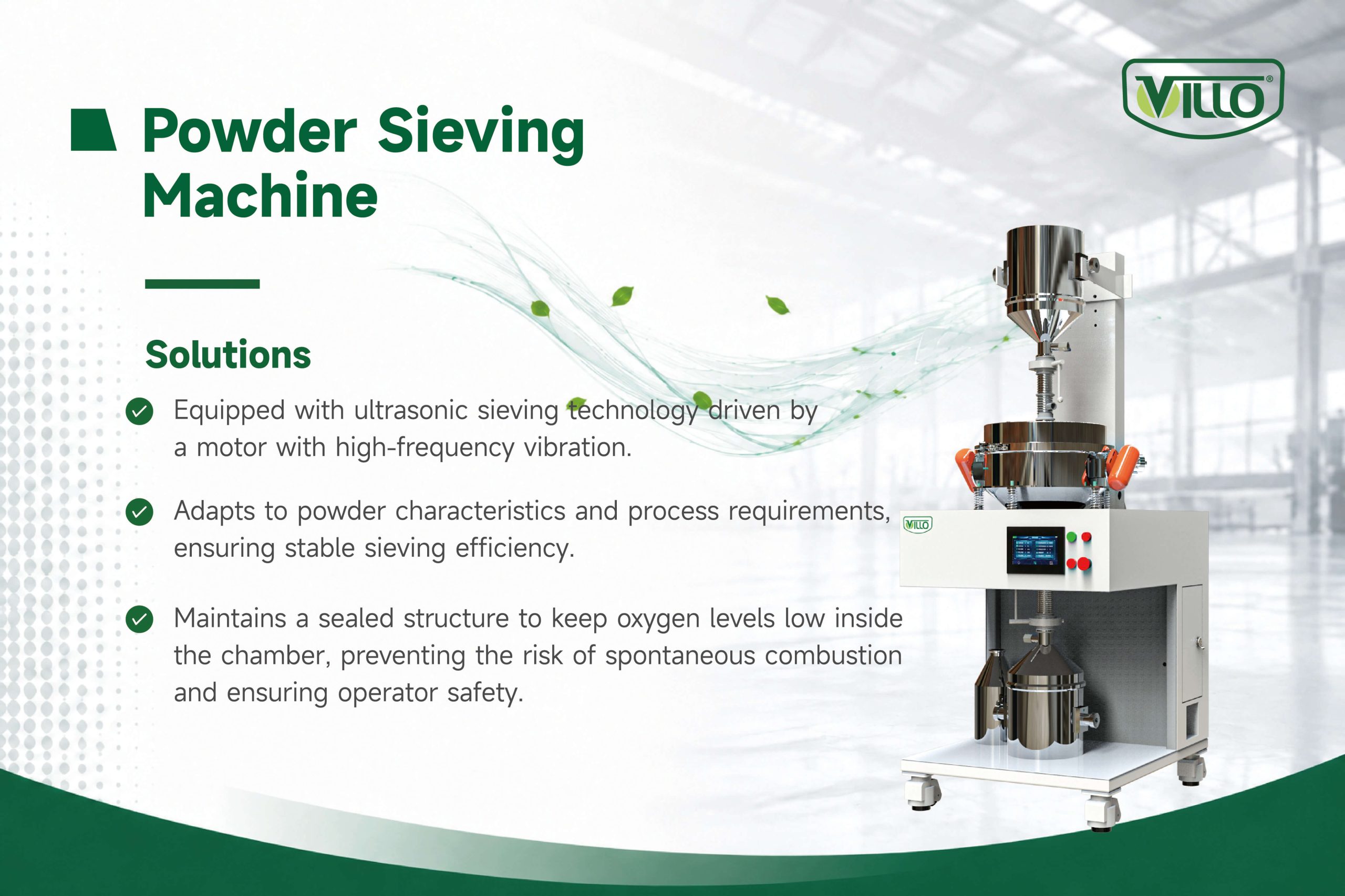
Thu hồi và sàng bột là các bước quan trọng để cải thiện việc sử dụng nguyên liệu trong sản xuất bồi đắp kim loại. Bột thu hồi cần được tách và xử lý thích hợp trước khi chúng có thể được xem xét sử dụng tiếp.
Máy sàng bột Villo được thiết kế cho các ứng dụng xử lý bột kim loại, tập trung vào hiệu suất sàng hiệu quả và được kiểm soát. Thiết bị áp dụng công nghệ sàng siêu âm được điều khiển bằng rung tần số cao, giúp nâng cao hiệu quả sàng lọc và duy trì quá trình xử lý bột ổn định.
Với thiết kế cấu trúc kín, hệ thống giúp giảm thiểu sự tiếp xúc với bột trong quá trình vận hành và hỗ trợ xử lý bột an toàn hơn. Nó phù hợp để xử lý các loại bột kim loại khác nhau, bao gồm hợp kim niken nhiệt độ cao, hợp kim thép không gỉ, hợp kim nhôm, hợp kim titan và các vật liệu khác được sử dụng trong sản xuất phụ gia.
3.5 Tích hợp hút và sàng bột để xử lý bột hiệu quả
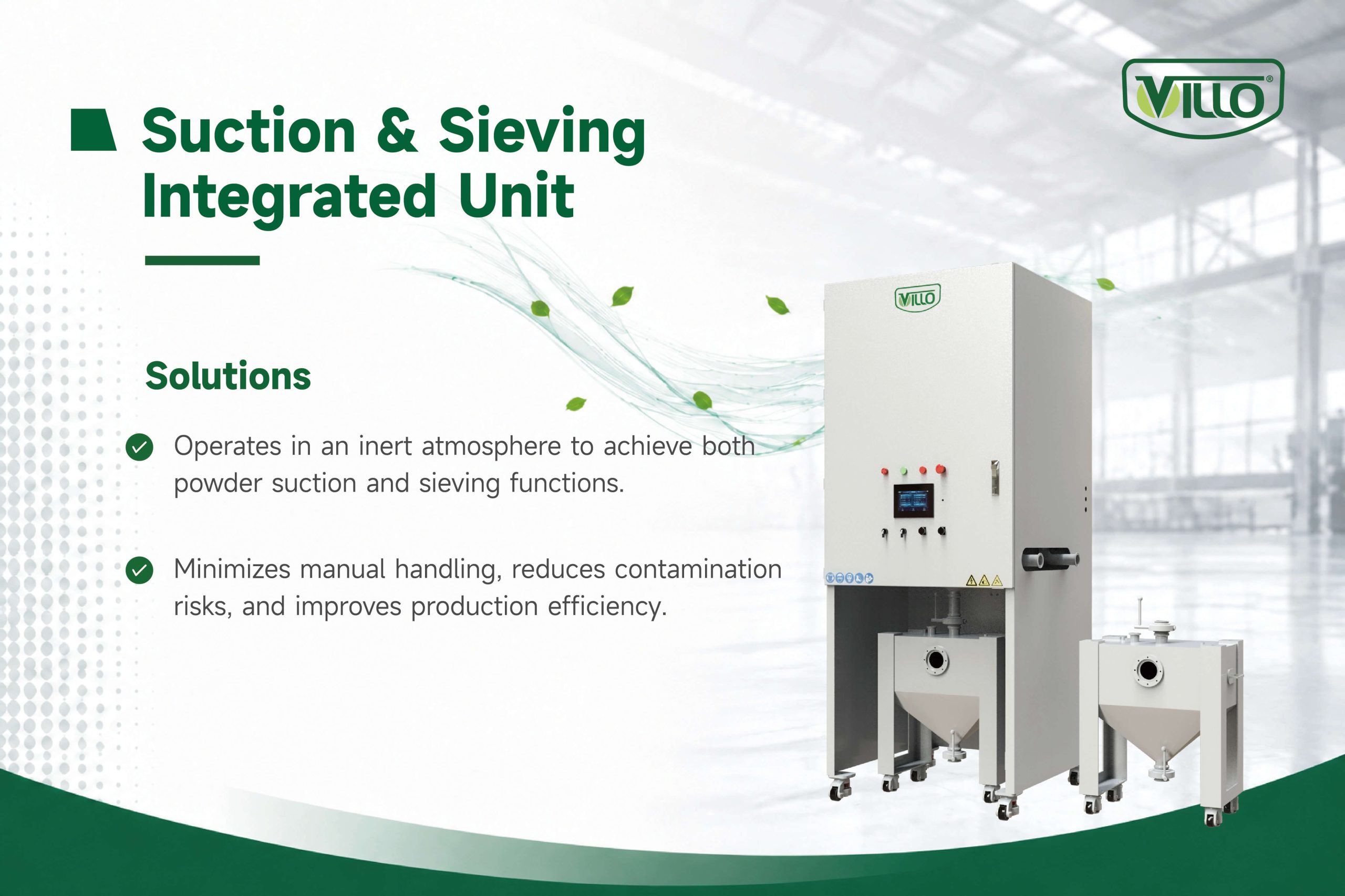
Trong quá trình hoạt động sản xuất bồi đắp kim loại, bột thừa bên trong thiết bị in thường cần được thu gom và chuẩn bị cho quá trình xử lý tiếp theo. Việc kết hợp chức năng hút và sàng bột có thể đơn giản hóa quá trình thu hồi và giảm bớt các bước xử lý không cần thiết.
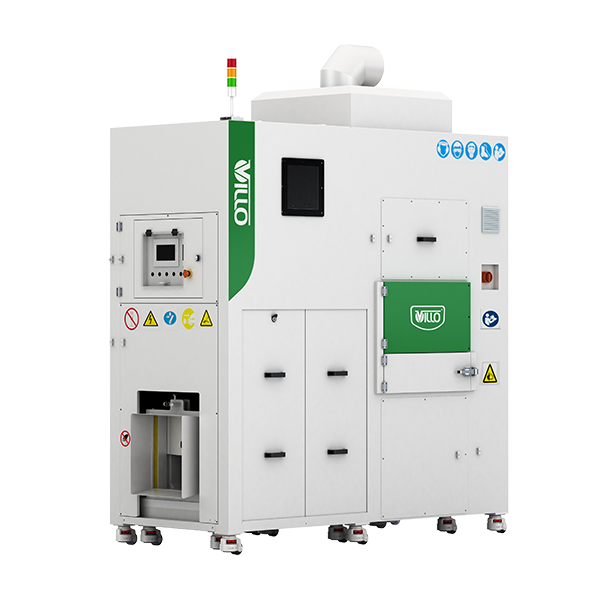
Bộ tích hợp hút và sàng Villo tích hợp chức năng thu gom và sàng bột vào một hệ thống duy nhất. Hoạt động trong điều kiện được kiểm soát, thiết bị giúp nâng cao hiệu quả thu hồi bột đồng thời giảm yêu cầu vận chuyển bột thủ công.
Hệ thống sử dụng công nghệ sàng rung siêu âm để đạt được hiệu quả tách bột. Bằng cách tích hợp chức năng sàng và lưu trữ, bột thu hồi có thể được xử lý hiệu quả hơn trong khi vẫn duy trì quy trình quản lý bột nhất quán hơn.
3.6 Tự động làm sạch bột cho các bộ phận kim loại phức tạp
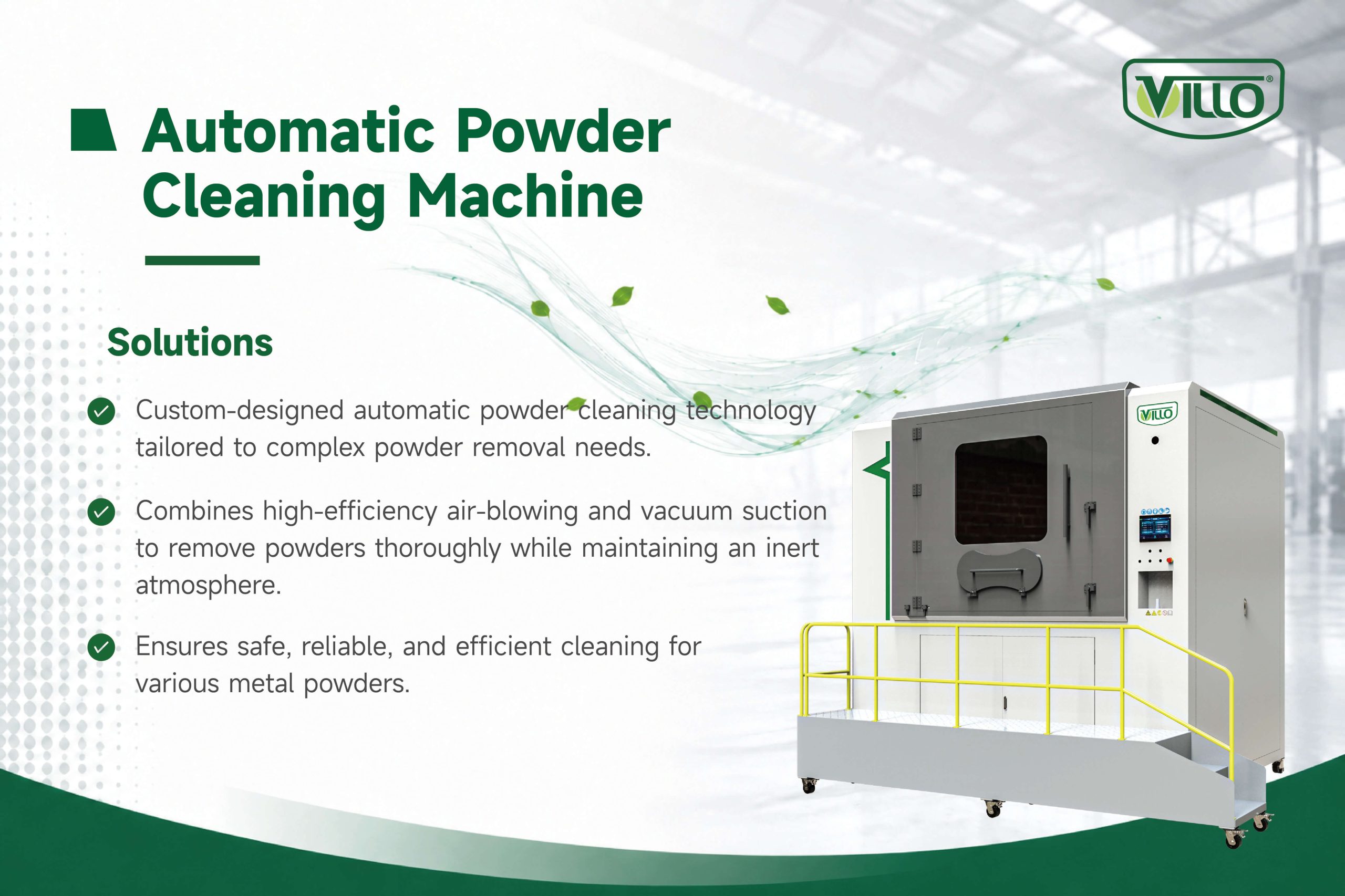
Đối với các thành phần được sản xuất bằng chất phụ gia kim loại phức tạp, bột còn sót lại bên trong các cấu trúc và khoang bên trong có thể khó loại bỏ bằng các phương pháp làm sạch thông thường. Loại bỏ bột hiệu quả là rất quan trọng để cải thiện chất lượng sau xử lý và hiệu quả sản xuất.
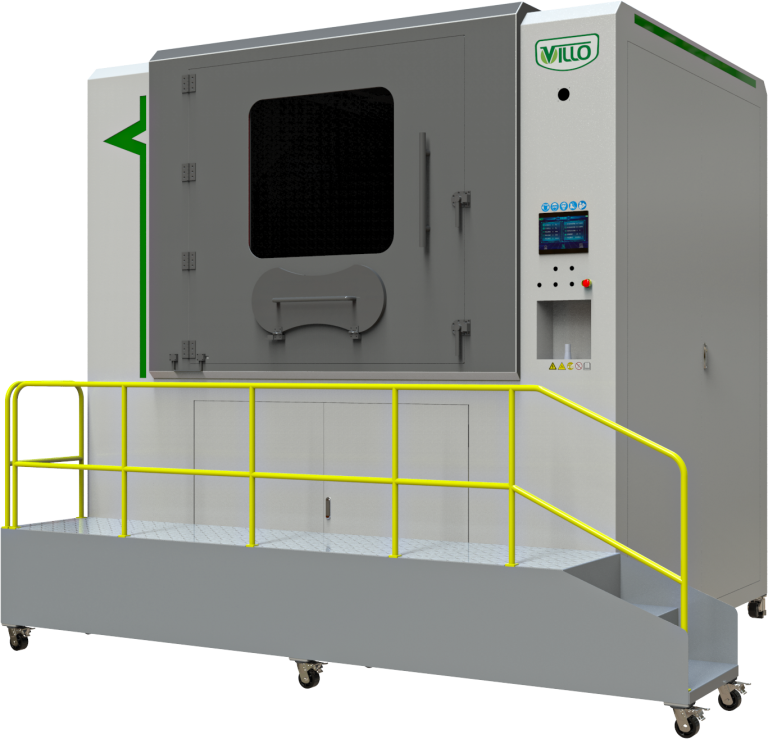
Máy làm sạch bột tự động Villo kết hợp chức năng thu gom và loại bỏ bột tự động để hỗ trợ làm sạch hiệu quả các bộ phận kim loại phức tạp.
Hệ thống tích hợp công nghệ thổi khí và hút chân không hiệu quả cao đồng thời duy trì bầu không khí trơ được kiểm soát trong quá trình làm sạch. Được trang bị một bệ quay có các chức năng xoay, nghiêng và dao động 360°, nó có thể thích ứng với các hình dạng thành phần khác nhau.
Ngoài ra, thiết bị còn tích hợp hệ thống lọc và tuần hoàn khí trơ khép kín, giám sát lượng oxy và chức năng bảo vệ an toàn. Hệ thống thu gom bụi tự động đạt hiệu suất lọc lên tới 99,95% ≥0,3 μm, hỗ trợ làm sạch bột đáng tin cậy cho titan, nhôm và các thành phần được sản xuất phụ gia kim loại khác.
3.7 Hệ thống quản lý bột thông minh cho sản xuất phụ gia công nghiệp
Khi sản xuất sản xuất bồi đắp mở rộng sang các ứng dụng quy mô công nghiệp, chỉ riêng thiết bị riêng lẻ có thể không đủ để đáp ứng các yêu cầu xử lý bột liên tục.
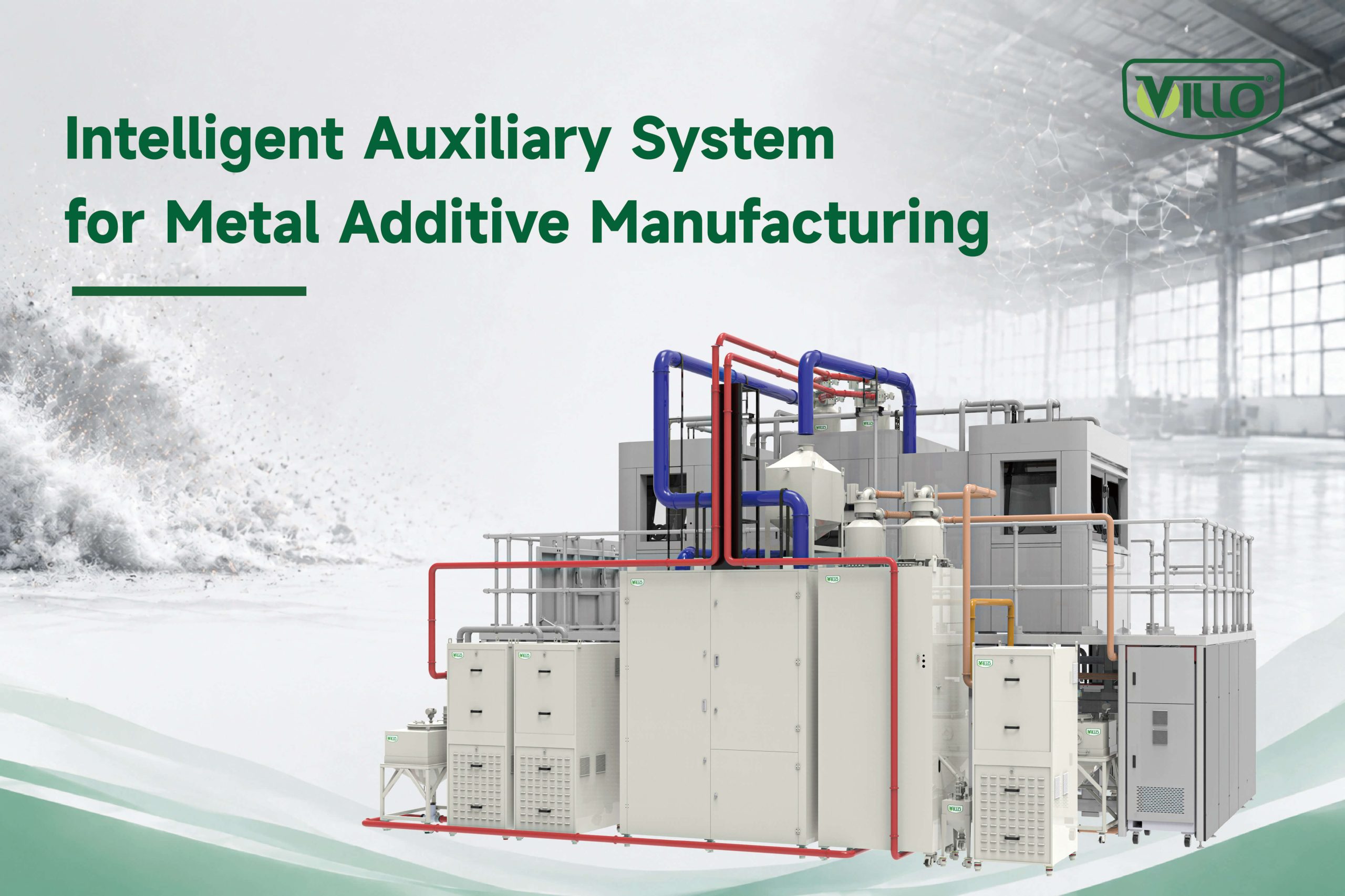
Hệ thống phụ trợ thông minh Villo dành cho sản xuất phụ gia kim loại tích hợp nhiều chức năng xử lý bột, bao gồm lọc tuần hoàn khí, hút bột, sàng và nạp bột, cung cấp cách tiếp cận phối hợp hơn để xử lý bột công nghiệp.
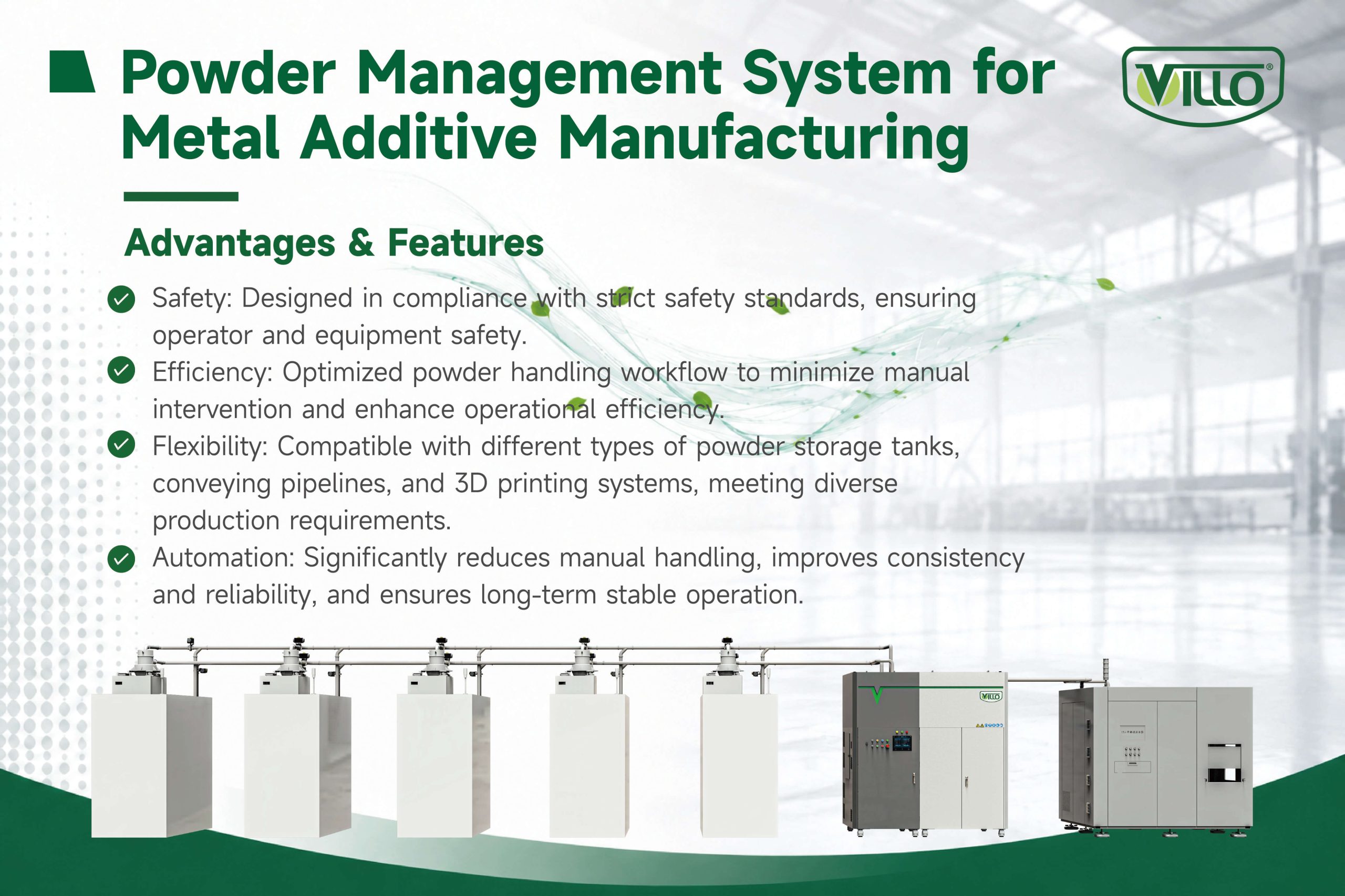
Đối với môi trường sản xuất quy mô lớn, Hệ thống quản lý bột Villo tích hợp các chức năng xử lý và hậu cần bột tự động, bao gồm vận chuyển, sàng, hút, lưu trữ và phân phối.
Bằng cách tích hợp hệ thống băng tải tự động RGV và phương tiện xử lý bột AGV, hệ thống này cho phép di chuyển bột linh hoạt hơn giữa các khu vực sản xuất khác nhau. Cách tiếp cận tích hợp này giúp các nhà sản xuất giảm bớt các hoạt động thủ công, cải thiện tính nhất quán của quy trình và hỗ trợ phát triển dây chuyền sản xuất bồi đắp thông minh.
4. Hệ thống quản lý bột tích hợp cho sản xuất phụ gia kim loại công nghiệp
Khi sản xuất bồi đắp kim loại tiếp tục mở rộng quy mô từ máy móc riêng lẻ đến dây chuyền sản xuất công nghiệp, các nhà sản xuất phải đối mặt với những thách thức mới trong việc điều phối nhiều hoạt động xử lý bột.
Đối với các ứng dụng quy mô nhỏ, thiết bị độc lập có thể đủ cho các nhiệm vụ xử lý bột riêng lẻ. Tuy nhiên, trong môi trường sản xuất lớn có nhiều máy in 3D, việc vận hành thiết bị riêng biệt có thể tạo ra những thách thức trong việc phối hợp quy trình, quản lý luồng nguyên liệu và tính nhất quán trong sản xuất.
Hệ thống quản lý bột tích hợp cung cấp cách tiếp cận tiên tiến hơn bằng cách kết nối các bộ phận xử lý bột khác nhau thành một quy trình sản xuất phối hợp. Thông qua vận chuyển tự động, kiểm soát tập trung và điều phối quy trình thông minh, nhà sản xuất có thể giảm sự can thiệp thủ công và cải thiện tính ổn định trong vận hành.
Hệ thống quản lý bột Villo được thiết kế cho các môi trường sản xuất bồi đắp công nghiệp, nơi yêu cầu hậu cần bột tự động và quản lý sản xuất hiệu quả. Bằng cách tích hợp các công nghệ như hệ thống băng tải tự động RGV và phương tiện xử lý bột AGV, hệ thống này hỗ trợ việc di chuyển bột linh hoạt giữa các khu vực sản xuất khác nhau.
Hệ thống phụ trợ thông minh Villo dành cho sản xuất phụ gia kim loại tích hợp thêm nhiều mô-đun chức năng, bao gồm lọc tuần hoàn khí, hút bột, sàng và nạp bột, cung cấp cho các nhà sản xuất một cách tiếp cận phối hợp hơn để xử lý bột công nghiệp.
So với hoạt động của thiết bị độc lập truyền thống, phương pháp quản lý bột tích hợp cho phép các nhà sản xuất xây dựng một môi trường sản xuất hiệu quả và đáng tin cậy hơn. Khi sản xuất bồi đắp tiếp tục phát triển theo hướng tự động hóa cao hơn, quản lý bột thông minh sẽ trở thành nền tảng quan trọng cho sản xuất công nghiệp trong tương lai.
5. Kết luận
Khi sản xuất bồi đắp kim loại tiếp tục chuyển sang sản xuất quy mô công nghiệp, việc quản lý bột hiệu quả ngày càng trở nên quan trọng đối với các nhà sản xuất đang tìm kiếm hoạt động an toàn hơn, ổn định hơn và hiệu quả hơn.
Quản lý bột kim loại đòi hỏi sự chú ý trong toàn bộ quá trình sản xuất, từ nạp và thu hồi bột đến sàng, làm sạch và xử lý tự động. Bằng cách áp dụng các phương pháp xử lý bột thích hợp và phương pháp quản lý tổng hợp, nhà sản xuất có thể giảm thiểu rủi ro tiềm ẩn, cải thiện việc sử dụng bột và nâng cao hiệu quả sản xuất tổng thể.
Khi ngành công nghiệp tiếp tục phát triển, việc quản lý bột an toàn hơn và thông minh hơn sẽ đóng một vai trò quan trọng trong việc hỗ trợ sự phát triển trong tương lai của ngành sản xuất bồi đắp kim loại.
Với kinh nghiệm về công nghệ kiểm soát bụi và chống cháy nổ công nghiệp, Villo cung cấp thiết bị xử lý bột và các giải pháp tích hợp cho các ứng dụng sản xuất tiên tiến, giúp khách hàng giải quyết các thách thức về quản lý bột bằng các phương pháp tiếp cận tùy chỉnh và đáng tin cậy.
Cảm ơn bạn đã đọc bài viết này. Chúng tôi hy vọng bài đăng này hữu ích và cung cấp những hiểu biết có giá trị về quản lý bột sản xuất bồi đắp kim loại. Mọi yêu cầu liên quan đến dự án, vui lòng liên hệ với Villo.
Câu hỏi thường gặp
Q1. Tại sao an toàn bột kim loại lại quan trọng trong sản xuất bồi đắp?
An toàn bột kim loại rất quan trọng vì các hạt kim loại mịn được sử dụng trong sản xuất bồi đắp có thể bay vào không khí trong quá trình xử lý như tải, thu hồi và sàng. Trong những điều kiện nhất định, bột kim loại dễ cháy có thể gây ra nguy cơ cháy hoặc nổ. Quản lý bột phù hợp giúp nhà sản xuất giảm thiểu rủi ro về an toàn và duy trì hoạt động sản xuất ổn định.
Q2. Loại bột kim loại nào thường được sử dụng trong sản xuất bồi đắp?
Bột kim loại phổ biến được sử dụng trong sản xuất bồi đắp bao gồm thép không gỉ, hợp kim nhôm, hợp kim titan, hợp kim niken và hợp kim magiê. Các vật liệu bột khác nhau có những đặc tính khác nhau, vì vậy cần xem xét các biện pháp xử lý và an toàn thích hợp dựa trên ứng dụng cụ thể.
Q3. Tại sao sản xuất bồi đắp kim loại lại yêu cầu quản lý bột chuyên dụng?
Sản xuất bồi đắp kim loại bao gồm nhiều quy trình liên quan đến bột, bao gồm nạp bột, thu hồi, sàng, lưu trữ và tái chế. So với các vật liệu sản xuất truyền thống, bột kim loại mịn cần được xử lý có kiểm soát hơn để giảm ô nhiễm, lãng phí vật liệu và các rủi ro an toàn tiềm ẩn.
Q4. Làm cách nào các nhà sản xuất có thể cải thiện độ an toàn của bột trong in 3D kim loại?
Các nhà sản xuất có thể cải thiện độ an toàn của bột bằng cách thực hiện các quy trình xử lý bột có kiểm soát, giảm tiếp xúc với bột thủ công, sử dụng thiết bị thu gom bụi và xử lý bột phù hợp, đồng thời thiết lập các quy trình quản lý và thu hồi bột hiệu quả.
Câu 5. Thiết bị nào được sử dụng để xử lý bột kim loại trong sản xuất bồi đắp?
Các thiết bị phổ biến được sử dụng để xử lý bột kim loại bao gồm máy hút chân không, máy sàng bột, máy hút bụi, hệ thống làm sạch bột và hệ thống quản lý bột tích hợp. Việc lựa chọn thiết bị phụ thuộc vào quy trình sản xuất, đặc tính của bột và yêu cầu tự động hóa.
Q6. Hệ thống quản lý bột tích hợp cho sản xuất bồi đắp kim loại là gì?
Hệ thống quản lý bột tích hợp kết nối các quy trình xử lý bột khác nhau, chẳng hạn như vận chuyển, thu hồi, sàng, lưu trữ và phân phối bột. Nó giúp các nhà sản xuất cải thiện hiệu quả quy trình làm việc, giảm việc xử lý thủ công và quản lý bột nhất quán hơn trong môi trường sản xuất công nghiệp.
Villo chính thức